
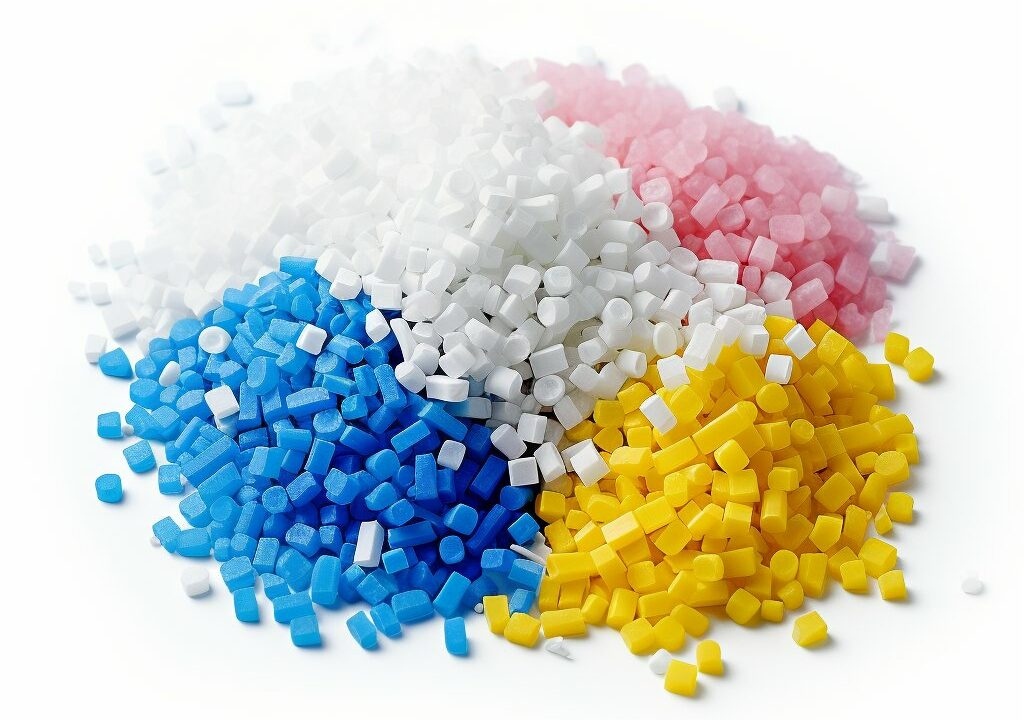
LDPE (Low-Density Polyethylene) and HDPE (High-Density Polyethylene) are two types of polyethylene, one of the most widely produced plastics in the world. Despite being made from the same polymer (ethylene), their physical properties, applications, and processing methods are distinct.
LDPE (Low-Density Polyethylene):
• Structure and Properties: LDPE has a highly branched molecular structure, which makes it flexible, lightweight, and more resistant to impact. Its low-density structure allows it to be easily molded into various shapes.
• Applications: LDPE is commonly used for producing plastic bags, food wraps, shrink films, and flexible containers. It is ideal for products requiring flexibility and low-cost production.
• Physical Characteristics: LDPE has a low tensile strength and is relatively transparent. It has a low melting point (around 105°C) and is less resistant to high temperatures and chemicals compared to HDPE.
HDPE (High-Density Polyethylene):
• Applications: HDPE is used for manufacturing rigid containers, water pipes, bottles, and industrial products like plastic lumber. It is also used in making items that require durability, such as geomembranes and playground equipment.
• Structure and Properties: HDPE has a more crystalline and linear molecular structure compared to LDPE, making it denser, more rigid, and stronger. Its high density provides it with greater resistance to impact, chemicals, and environmental stress cracking.
• Physical Characteristics: HDPE is stronger, more resistant to high temperatures, and more chemically resistant than LDPE. It has a higher melting point (around 130°C) and is known for its strength and durability.
Key Differences:
• Density and Strength: HDPE has a higher density and strength than LDPE.
• Flexibility: LDPE is more flexible and less durable, while HDPE is more rigid and strong.
• Applications: LDPE is used for flexible, low-cost products, while HDPE is used for durable, high-strength products.
• Processing: LDPE is typically produced under high-pressure conditions, whereas HDPE is made under low-pressure conditions.